
Objects that stay: why we keep certain things forever

Let this be a small pause before we begin: a hand resting on the edge of the table, noticing what has stayed.
There are things in a home that pass through like seasons.
A vase bought on impulse. A cushion in last year’s color. A tray that felt right in the shop but not quite right in the light of our own kitchen.
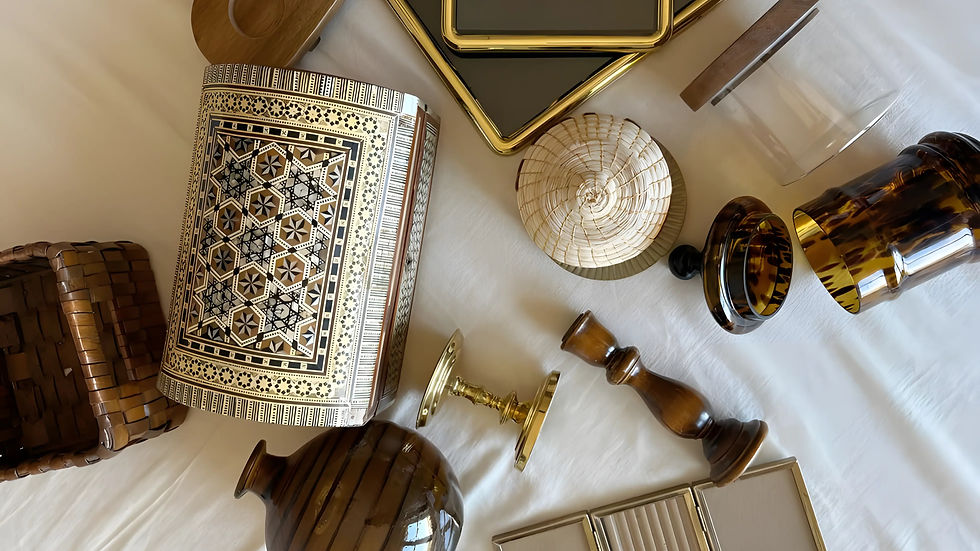
And then there are the objects that stay.
They are rarely the loudest. Rarely the most fashionable. They do not ask to be admired. They simply continue, morning after morning, wash after wash, year after year, until one day you realize they have become part of the architecture of your life.
A mug. A set of linen napkins. A wooden spoon, worn smooth by time. A cookbook with flour in its spine.
They become gentle companions.
Emotional durability vs. seasonal taste
Trends are visual. Emotional durability is tactile.
A trend is something you recognize immediately: the color of the year, the shape everyone is suddenly collecting. Emotional durability is quieter.
It’s how something feels in your hand at 7 a.m. when the house is still half-dark and the kettle begins to hum.
We keep certain objects not because they match the room, but because they match us.
The heavy ceramic mug that reminds you of a certain trip. The linen tablecloth that softens with every wash and carries faint memories of dinners past. The brass tray that has held candles, glasses of water, birthday cakes, and once, a handwritten note.


These objects stay because they work. Because they age well. Because they absorb life instead of resisting it.
When choosing new pieces for your home, ask a different question. Not “Is this in style?” but “Will this still feel right in five years?” Better yet: “Will this feel right on an ordinary Tuesday?”
The mug test: everyday intimacy
When investigating the emotional durability of your home, start with something simple, something you find yourself using everyday. Like mugs.
Mugs are intimate objects. Your hand wraps around them. Your mouth touches their rim. They meet you in your most unguarded hours.
If you look into your cupboard, you’ll likely find only one or two you truly reach for. The rest are guests.
The ones that stay tend to have a certain weight. A balanced handle. A glaze that feels warm, not slippery. They survive small chips and continue anyway.
Living Tip
When investing in everyday ceramics, hold them longer than feels necessary. Notice the curve. The thickness. Imagine washing them half-asleep. Imagine offering one to a friend.
Choose fewer, but better. Let them gather small marks. That is how intimacy forms.
Linens that soften, not expire
There is a particular beauty in fabric that has lived.
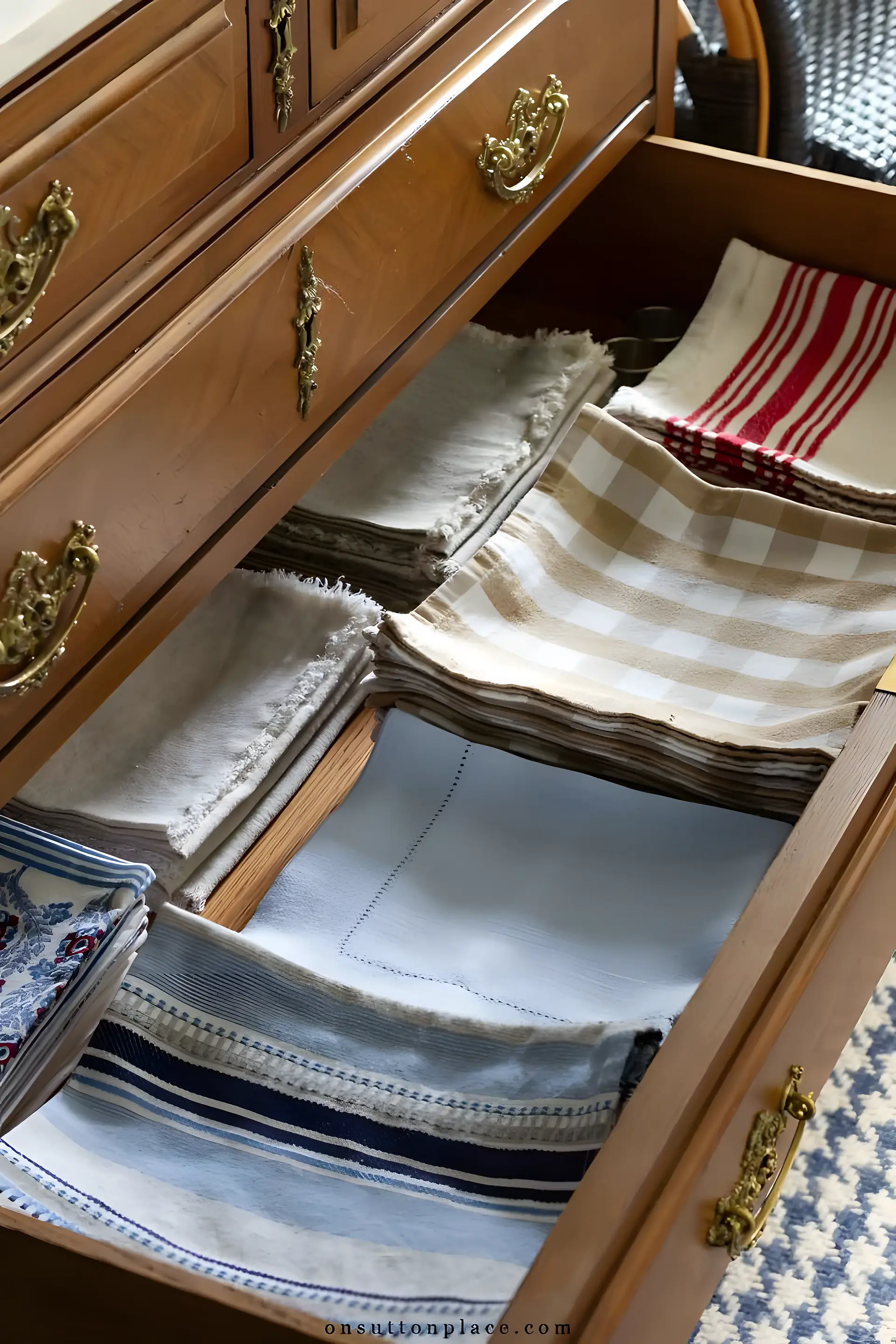
Linen napkins that crease gently. Cotton sheets that breathe. A tea towel that has dried hundreds of plates and still hangs faithfully by the sink.
Textiles with emotional durability improve with time. They wrinkle. They fade slightly. They become honest.

Living Tip
Instead of replacing linens when they lose their crispness, consider whether they are simply becoming themselves. Wash them gently. Air-dry when possible. Mend small tears. A visible stitch can be an act of care, not a flaw.
When buying new linens, look for natural fibers and neutral tones that allow life to unfold around them. A quiet stripe. A soft cream. Something that welcomes both candlelight and sunlight.
Remember: the goal here is continuity.
Trays, bowls and the art of usefulness
Then, there are objects that stay because they are endlessly adaptable.
A simple wooden tray can move from bedside to sofa, to garden table. A ceramic bowl can hold lemons, then keys, then soup. Their loyalty lies in their usefulness.
Living tip
Before bringing something home, imagine three different uses for it. If you cannot, it may belong to a moment, not a lifetime.


The most enduring objects are rarely single-purpose. They participate in the rhythm of the home. They carry morning light from one room to another. They gather small things and make them feel intentional. Versatility is a quiet form of sustainability.
Cookbooks as timekeepers
A cookbook is rarely just a book and is often undervalued.
It is a record of stains and seasons. Margins marked with “more salt” or “serve with lemon.” A page that opens naturally to the cake you bake every autumn.
While recipes live everywhere now, saved, pinned, scrolled, a physical cookbook anchors food in memory. It sits on the counter. It waits.
Living tip
To create emotional durability with cookbooks, use them. Write in them. Date the recipes you try. Tuck a small note inside about who was at the table that night.
Over time, the book becomes less about instruction and more about inheritance.


How to choose objects that stay
Emotional durability is not accidental. It can be practiced and cultivated.
Here are a few quiet guidelines:
1. Choose materials that age well.
Wood, linen, stoneware, brass, cotton. Materials that soften, patina or deepen rather than crack or peel.


2. Let weight guide you.
Heavier is not always better, but balance matters. An object that feels stable in your hands often feels stable in your home.


3. Avoid urgency.
If something feels exciting but rushed, wait. Objects that stay rarely demand immediate decisions.


4. Allow for imperfection.
A slightly uneven glaze. A hand-stitched hem. These details make room for your own marks later.


5. Notice what you already keep.
The best clue to your taste is not what you save on a screen, but what has survived your last three declutters.
A home that remembers
When a home is filled only with newness, it can feel untethered. Beautiful, perhaps. But slightly adrift.
Objects that stay create continuity. They remember for us. They hold echoes of conversations, of quiet mornings, of hands reaching across a table.
They remind us that hospitality is layered. Slowly. Through repetition.

In a culture that moves quickly, keeping something, truly keeping it, is a gentle act of resistance.
So before replacing, pause. Run your fingers over the worn edge of the tray. Pour coffee into the mug that has outlasted three paint colors and two apartments.
Some things are not meant to impress.
They are meant to remain.


Comments